Life in the Mountains: Cool Breezes, Cozy Vibes, and Coffee with a View

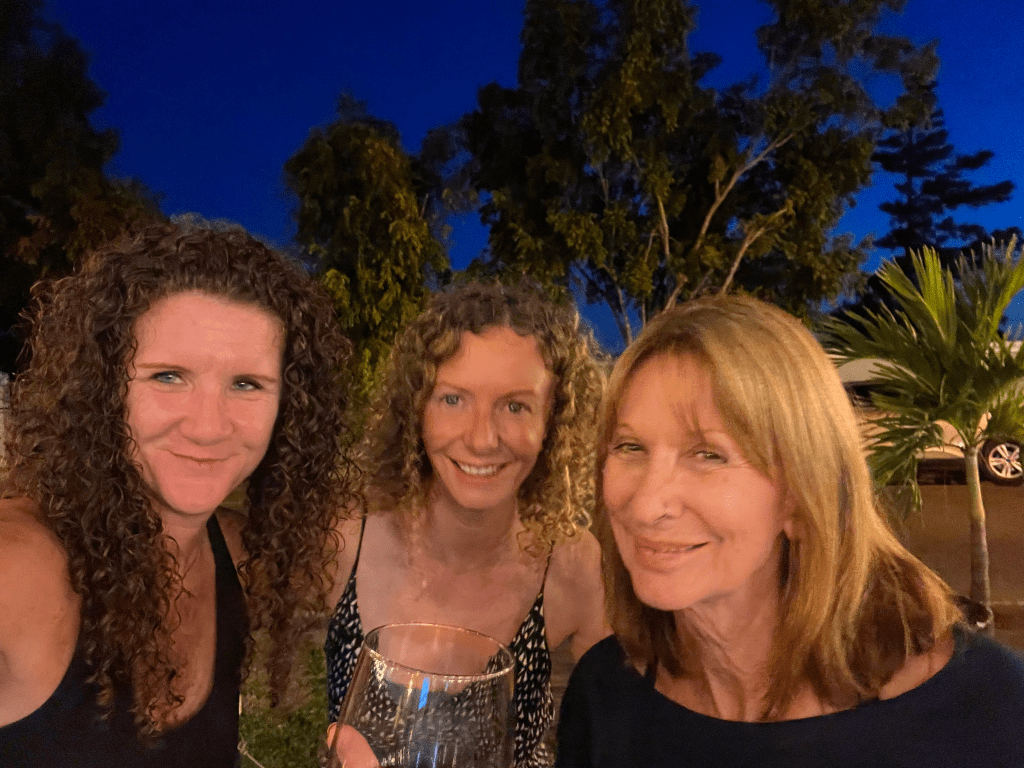
Image of 2 women sitting in an outdoor cafe

Mountain towns like Boquete and El Valle de Antón are a world away from the coast — cooler, greener, and a whole lot cozier.

Mornings here are made for coffee — and not just any coffee. We’re talking locally grown, shade-dried, award-winning beans that make you feel like a coffee snob even if you weren’t one before. You’ll sip it from your patio while staring at cloud-kissed hills, surrounded by hummingbirds and flowers you only ever saw in documentaries.

Evenings are calm and cool. Maybe you’re curled up with a blanket and a book. Maybe you’re swapping stories at a wine tasting. Either way, you sleep like a baby — partly from the quiet, and partly because you’re not worrying about traffic, bills, or snowstorms anymore.

The pace is slow, but the calendar’s full. Between hiking groups, Spanish classes, tai chi, and the legendary Tuesday Market in Boquete, your social dance card fills up quickly. Most folks do their shopping early — fresh veggies, artisan bread, local cheeses, and all the plantains your heart desires.

Meeting friends is effortless. You’ll find fellow expats at community meetups, live music events, or enjoying soup and sandwiches at the local café. Some volunteer at animal shelters or local schools. Others are busy building greenhouses, learning watercolor, or just enjoying that main character energy every time the fog rolls over the mountains.

Life on the Beach: Flip-Flops, Fruit Stands, and Sunset Friendships

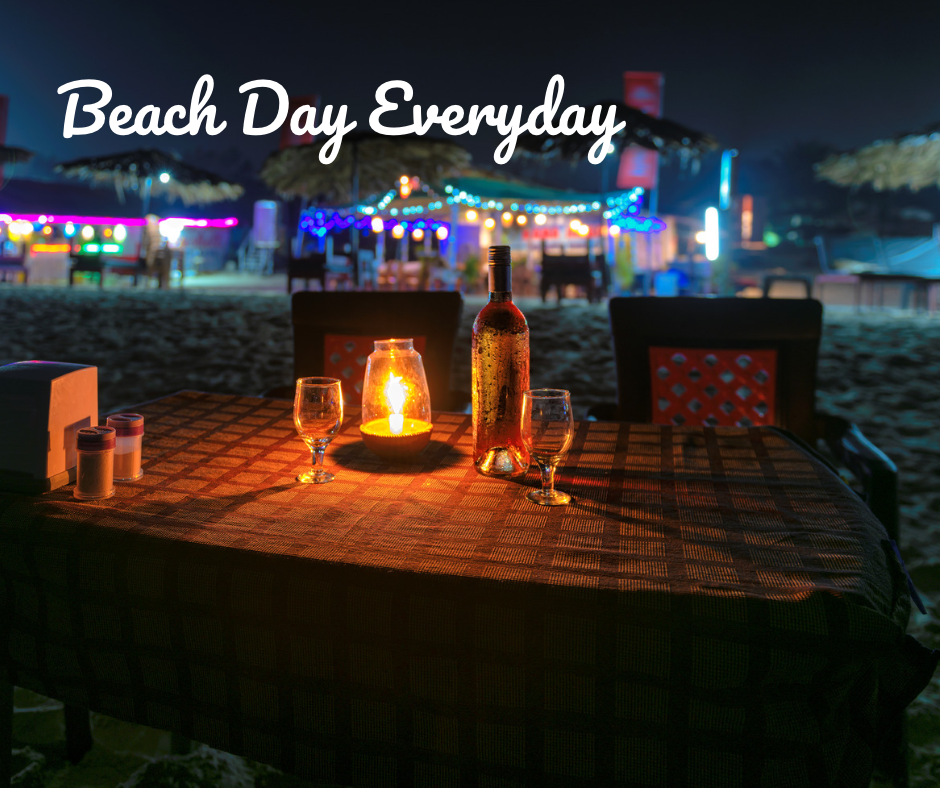
Image of evening beach party

Living in a beach town in Panamá isn’t just about views — though, yes, you’ll get those postcard-perfect ocean sunrises.

Your days start early — not because you have to, but because the golden morning light and chorus of tropical birds make it hard to sleep in. The air is warm, the sky is bright, and you’ll often find expats out walking, doing yoga on the sand, or squeezing in a friendly (and sometimes fierce) game of pickleball before it gets too hot.

Grocery shopping is charmingly low-key. You might stop at a roadside fruit stand for just-picked bananas or mangoes, grab fresh-caught fish from a local vendor, and pick up pantry staples from the neighborhood mini-supermarket. Want imported almond milk or sharp cheddar? That’s a short drive to the bigger store in town.

Social life happens naturally. You’ll run into neighbors while sipping coffee at an open-air café or while browsing the local artisan market. There’s always a beach cleanup, a happy hour, or a group heading to a new restaurant nearby. No need to overbook — it all flows with the tide.

By late afternoon, the sun dips lower, the breeze kicks up, and the beach becomes a golden playground. Locals and expats alike show up with folding chairs, dogs, coolers, and great stories. And yes, there might be someone strumming a guitar.

It’s the kind of simple joy that never gets old.

Looking for the FREE Guide link? Click here!

Healthcare in Panamá: Surprisingly Awesome (and Amazingly Affordable)

If you’re daydreaming about a life in paradise, you’re probably picturing beaches, palm trees, and a frosty drink or two — not hospital waiting rooms.

But let’s be honest: when you’re retired and reinventing your life, good healthcare matters. And the great news?

Panamá seriously delivers.

In fact, it might just be one of the best-kept secrets about moving abroad. Here’s what you need to know before you pack your sunscreen:

1. The Care Is Top-Notch — and the Bills Won’t Make You Clutch Your Chest

Panamá’s private healthcare system is no joke.

You’ll find shiny hospitals, highly trained doctors (many who studied in the U.S. or Europe), and specialists who actually listen to you — all for about 50-70% up to 500% less (or more) than you’d pay back home.

True story:

My friend Kim — yes, another Kim — is also an expat from the U.S. One day, she took a nasty fall and thought she’d broken her wrist. It ballooned up, turned a scary shade of purple, and hurt like hell.

She rushed to the emergency room in San Carlos, just down the road from where we both live.

After a doctor’s exam, an X-ray, the X-ray reading (no break, just a bad sprain), and a 10-day supply of pain meds, her grand total came to just $2.75.

Yep, you read that right — two dollars and seventy-five cents.

Not a typo. Not missing a zero.

Any guesses what you’d pay back home?

(Hint: it would probably require a second job — or a small loan.)

In other words: you’ll get great care without needing to sell a kidney to afford it.

2. Public or Private? Choose Your Own Adventure

Panamá runs two healthcare systems side-by-side:

  • Public care: Super affordable (like $2-$5 for a doctor’s visit) but expect longer waits and less English.
  • Private care: Faster appointments, English-speaking doctors, comfy clinics, and still ridiculously affordable.

Most expats happily stick with private care and pay cash because it’s cheaper than the copay on many U.S. insurance plans.

3. Health Insurance: Not Just for Millionaires Anymore

Good news: in Panamá, health insurance doesn’t require a second mortgage.

You can snag private coverage — including hospital stays, specialist visits, and surgeries — for around $100 to $300 a month depending on your age and needs.

Or you can do what many do: skip insurance altogether and just pay as you go (because prices are that reasonable).

Freedom and choices? Yes, please.

4. Pharmacies are Everywhere (and Half the Price)

Need medication? No problem.

Many prescriptions are available over the counter — no drama, no endless paperwork, no side-eye from the pharmacist.

And the prices? Let’s just say you might actually smile at the checkout counter for once.

5. Peace of Mind: The Best Medicine

The truth is, a lot of people delay retiring or relocating because they’re terrified of healthcare costs.

In Panamá, you’ll finally be able to breathe — knowing you can get excellent care without draining your life savings.

Imagine worrying more about which beach to visit than about whether you can afford a doctor visit.

Bottom line:

Healthcare doesn’t have to be the scary part of your new life — it might just be one of the best perks of all.

Ready to learn more?

Grab your free copy of Panamá: Beginner’s Guide to Reinventing Your Life in Paradise and start dreaming bigger, living freer, and feeling a whole lot better.

5 Signs You’re Ready for a Big Life Change

There’s a funny thing about big life changes: they often start quietly. With a nudge. Or a restless feeling you can’t quite shake.

If you’re wondering whether it’s time for something new — something bold — chances are, that quiet voice inside you has been dropping hints.

But sometimes it helps to hear how someone else knew they were ready.

Let me tell you how it happened for me.

The Moment I Knew

I didn’t have some dramatic wake-up call. No lightning bolt. No plane ticket pinned to a vision board.

It was quieter than that.

After my long-term marriage ended, I start feeling free, empowered, and alive again. But as the months and years wore on, I felt the familiar feeling of being stuck.

Every day in that small town looked pretty much the same as the one before it.

Same roads. Same grocery store. Same conversations. Not bad. Just… flat.

And one morning — standing in my bathroom, looking, no . . . glaring in the mirror at the woman, I slammed both hands on the sides of the sink and shouted:

”WHAT THE F*** ARE YOU WAITING FOR?!!?”

That was the moment I knew:

I was ready for a BIG life change.

Not because I was fearless — but because the life I was living had finally become more uncomfortable than stepping into the unknown.

Sometimes, the signs are subtle.

A quiet itch. A tired sigh. A longing for something you can’t quite name.

Other times, they’re loud — like life tapping you on the shoulder and saying, “Hey… this isn’t it anymore.”

If you’re starting to feel restless or unsettled, you’re not alone. You might just be standing on the edge of something amazing.

Here are five signs that a big, bold life shift might be calling your name:

1. You Feel Smothered by the Political Noise

It’s getting harder to tune it out.

Every news cycle, every scroll through social media, even a chat at the grocery store seems to spiral into arguments, outrage, and anxiety.

The noise is constant — and it’s not just frustrating … it’s exhausting.

If you’re feeling emotionally claustrophobic and shut down, like peace and presence have become luxury items, that’s a red flag.

It might be time for a serious change of scenery — one where the loudest thing you hear is ocean waves or birds in the trees, and community still feels like… community.

2. You Daydream About “More”

Not more stuff.

More freedom.

More connection.

More sunlight on your face and time that belongs to you.

If you find yourself imagining a slower morning, a friendlier pace, or even just a life where joy isn’t something you have to pencil in between errands — you’re not being unrealistic.

You’re being honest.

That’s your soul tugging at your sleeve, whispering, “It’s okay to want more than just ‘fine.’”

3. Comfort Is Starting to Feel Like a Trap

There was a time when your routines felt safe.

But now? They feel like reruns.

If you’re waking up feeling uninspired — or you catch yourself thinking “Is this really all there is?” — your comfort zone may have quietly turned into a cage.

That feeling of dull predictability is actually a spark in disguise.

It’s the first flicker of courage, calling you to stretch, explore, and rediscover what makes you feel alive.

4. Your Nest Egg Is Looking a Little Scrambled

Let’s be honest: retirement math isn’t “mathing’’ the way it used to.

Prices are climbing, the market’s wobbling, and your nest egg feels more like a nest crumb.

If you’re watching your budget tighten while your dreams get pushed further out, it’s time to rethink the equation.

Because moving abroad — especially somewhere like Panama — can stretch your savings and your joy.

You don’t have to give up comfort to afford a beautiful life.

You just might have to relocate it.

5. You Know Deep Down: There’s More Out There for You

You can’t always explain it.

You just know.

Maybe it’s a quiet nudge when you see someone else take the leap.

Or a full-body knowing when you stare out your window and think, “This chapter’s done.”

Whatever it is, it’s not just restlessness — it’s readiness.

And even if you don’t know exactly where you’re going, you know you’re meant for more than standing still.

Final Thought:

Big changes can be scary. But so is waking up five years from now in the exact same place, wondering why you didn’t at least try.

If even one of these signs resonated with you, take it as permission to dream bigger.

Your new life isn’t just a fantasy — it’s waiting for you to say yes.

Want help getting started?

If you haven’t yet, download your free copy here 👉 Panamá: A Beginner’s Guide to Reinventing Your Life in Paradise and no matter where it might lead you, start mapping out your next chapter today!

Why Move to Panamá? 5 Big Reasons Baby Boomers Are Loving It

Dreaming of a fresh start? See why more Baby Boomers are choosing Panamá for sunshine, savings, and a vibrant new chapter abroad! Or “Why I moved to Panamá”⛵️

Sometimes, life taps you on the shoulder and whispers, “Hey… there’s so much more out there.”

Other times, it hits you with a frying pan called snow shovels, rising costs, and another jammed-up freeway commute.

If you’ve been wondering whether it’s time to shake things up, Panama might just be calling your name — and not just because it’s warm (although, yes — it’s gloriously warm).

Here’s why so many Boomers are swapping stress for sunsets and moving to Panamá:

1. Your Money Stretches WAY Further

Imagine living oceanfront for less than what you pay now for a nice one-bedroom in . . . well, anywhere in the States or Canada.

In Panamá, your dollars go further — and your quality of life goes up. (Read: less stress)

Fresh fruit for pennies, medical care you can actually afford, and no winter heating bill?

Yes, please.

2. Healthcare That’s Affordable and Excellent

Goodbye, endless wait times and outrageous insurance premiums.

Hello, $25 doctor visits (minus your 20% Jubilado discount) and modern hospitals with U.S.-trained doctors.

It’s healthcare that actually cares — and you can keep both arms and legs!

3. Weather That Doesn’t Hate You

Panamá is where flip-flop season is 12 months long.

No more scraping ice off your windshield. No more layering up like the Michelin Man just to check your mail.

Just sunshine, ocean breezes, and maybe an afternoon rain shower to keep things ‘fresca.’

**Panamá – A Beginner’s Guide to Reinventing Your Life in Paradise**

Need more reasons? Keep reading . . .

4. A Built-In Community of Friends You Haven’t Met Yet

Panamá’s expat communities are full of people who were once exactly where you are right now:

dreaming about something better.

You’ll find support, laughter, and probably an invitation to happy hour or a pot luck before you even unpack your boxes.

5. Adventure Becomes Part of Your Everyday Life

Explore volcanoes, sip coffee grown down the road, kayak between tropical islands, or simply discover a new favorite fruit at the mercado.

In Panamá, every day has the potential for a little ‘aventura’ — and isn’t that exactly what you deserve right now?

Ready to See If Panamá Is Your Paradise?

I’ve put together a FREE guide that gives you the real scoop — no sugar-coating, no fluff, just what you need to start imagining your next chapter with confidence.

👉Download your FREE Beginner’s Guide here.

Let’s make those daydreams real.

Empowering Post-Divorce Strategies for Women: Inspiring Stories

“Divorce isn’t such a tragedy. A tragedy is staying in an unhappy marriage, teaching your children the wrong things about love. Nobody ever died of divorce. “- Jennifer Weiner

After writing my book, “No Blame, No Shame – Living an Empowered Life After Divorce,” I have talked to many women who have been through a similar situation. In my case, I was married for 30 years when my husband left me for another woman, actually one of my best friends.

Divorce is one of those life-altering events that can leave you feeling free from the chaos and turmoil or feeling lost, vulnerable, and overwhelmed. Given society’s expectations, navigating the emotional turmoil that follows a divorce can be particularly challenging for women. However, with the right strategies and mindset, it’s possible to build or rebuild emotional resilience and transform this period into a time of personal growth, empowerment, and success. This post will explore effective strategies for emotional resilience post-divorce and share inspiring stories of women I’ve known and coached who have turned their post-divorce lives into success stories.

Nothing says “revenge” better than success! Just stay focused on ‘success.’

Strategies for Building Emotional Resilience Post-Divorce

1. Acknowledge and Process Your Emotions

One of the first steps in building emotional resilience is to acknowledge and process your emotions. In your life after divorce, certain things and events can trigger a wide range of feelings, including sadness, anger, relief, and confusion. Allow yourself to feel these emotions without judgment. Journaling, therapy, or talking to trusted friends can be effective ways to process your feelings.

2. Establish a Routine

This was a tremendous help to me when my ex left. My routine was to hire a personal trainer, go to the gym, play pickleball, meditate, and write my new life story. That was in addition to my primary work as the leader of a spiritual center. My routine provided a sense of stability and normalcy during a turbulent time. Because he was essentially forced out of our spiritual center, I was left in charge right when COVID-19 hit. It was up to me to keep our members together to mitigate the damage he had done.

So, incorporate activities that you enjoy and that contribute to your well-being, such as exercise, hobbies, or spending time with loved ones. A structured routine can help you regain control and provide a framework for your new life.

3. Practice Self-Care

Self-care is essential for maintaining emotional and physical health. This can include regular exercise, a healthy diet, adequate sleep, and mindfulness practices such as meditation or yoga. Taking care of your body and mind can help you feel more resilient and capable of handling challenges.

4. Seek Professional Support

Therapists, counselors, and support groups can provide valuable assistance during the post-divorce period. In general, I’m not in favor of therapists, counselors, and support groups that focus on “problems.” Problems are not what anyone needs to focus on. Instead, those who help you to move away from the blame or shame, to create and share new strategies can be very helpful.

5. Focus on Personal Growth

This is YOUR time. Use it as an opportunity for personal growth. Explore new interests, take up new hobbies, or pursue further education. Personal growth can help you rediscover your strengths and passions, leading to a more interesting and fulfilling life.

“No Blame, No Shame”

6. Cultivate Optimism

Maintaining a positive outlook can be challenging, but it’s crucial for emotional resilience. Focus on the positive aspects of your life and practice gratitude. Reflecting on what you are thankful for can shift your mindset and help you appreciate the present.

7. Accept Change

Embrace the changes that come with post-divorce life. Accepting that life will be different and being open to new experiences can help you move forward. Flexibility and adaptability are key components of emotional resilience.

8. Develop New Relationships

In the 4 years after my husband announced he was leaving me, I wrote and published my first book. Five months later, I sold everything I owned and moved to Panamá. As of today, I’ve been here seven months. In that time, I have created a circle of female friends that I cherish and have better relationships with than I ever had before (my sister and sisters-in-law notwithstanding – I LOVE them!) I had never had those types of female friends who would be there for you no matter what, inviting each other to our homes or going out to ‘play’ just because.

If you don’t have female friends or hadn’t developed them while you were married, I HIGHLY recommend it. These relationships and friendships provided me with fresh perspectives and new opportunities. Connecting with others, whether through social activities, hobbies, or support groups, can really enhance your emotional well-being and help you feel less isolated.

Inspiring Stories of Resilience and Success

Some of the names have been changed to protect my clients.

1. Sarah’s Journey to Financial Independence

Sarah spent most of her married life as a stay-at-home mom. After her divorce, she found herself financially insecure and unsure about her ability to support her kids on her own. But Sarah was determined to change her situation. She dove into online courses, snagged a few certifications in digital marketing, and kicked off her freelancing career. Slowly but surely, she built a thriving online business. Now, Sarah’s not just financially independent; she’s also a beacon of hope, inspiring other women to chase their dreams and secure their own financial freedom.

2. Lisa’s Transformation Through Fitness

Lisa was really down after her divorce, feeling depressed and lacking motivation. To shake things up and boost her health, she joined a local fitness class, thinking it might help distract her from the blues. What started as just a way to cope soon turned into a full-blown passion for fitness. Lisa got so hooked she went on to become a certified personal trainer and eventually opened her own fitness studio. She’s not just transformed her own life; she’s inspiring loads of other women to focus on their health and find their own strength through fitness.

3. Maria’s Path to Self-Discovery

Maria’s divorce forced her to reevaluate her life and priorities. Like many married women, she had lost touch with her passions and interests. Maria decided to take a solo trip to Europe, something she had always dreamed of but never dared do before. During her travels, she rediscovered a love for photography and writing. Maria now works as a travel blogger, sharing her experiences and encouraging other women to embark on their own journeys of self-discovery.

4. Jane’s Advocacy for Mental Health

Jane struggled with severe anxiety and depression following her divorce. Seeking help from a therapist, she began to understand the importance of mental health. Jane became an advocate for mental health awareness, sharing her story and helping others seek the help they need. She founded a non-profit organization dedicated to providing mental health resources and support to women going through similar experiences.

5. Emily’s Artistic Renaissance

Emily’s divorce reignited her passion for art, which she had set aside during her marriage. She began painting again as a form of therapy and self-expression. Her work gained recognition in local galleries, and she soon started selling her pieces. Emily’s artistic renaissance not only provided her with financial stability but also helped her find a new sense of purpose and identity.

The women in these examples aren’t so different from you. They made decisions that supported a life they loved to live and acted on them. By the time of my divorce, I was retiring, and I was happy to begin my new life as an author in a foreign country. I didn’t have the desire to work hard to create a new business, but I stayed focused and wanted to help other women through my writings.

Because I took action on my dreams, I am now living my best life ever—and you can, too!

Pickleball and Potlucks: My Quirky Quest to Fit In Panama

So, how does an introvert crash land into the social scene of Panama within a month? First, let me say for those who know me, I may not seem like an introvert, but I was for many years, so let me walk you through my unintentional masterclass in ‘Friend-making for the Socially Reluctant’.

Accidental Extrovert

Spoiler alert: I didn’t morph into a social butterfly overnight. I’m more of a “hide in my cocoon and hope someone notices me” type. But Panama had other plans. Suddenly, I find myself in two pickleball groups (yes, pickleball, the sport that’s like tennis, but for people who thought tennis was just too much running). Then, bam! Invited to a potluck, two luncheons, girls’ night out, and not one, but two live music shindigs. I even had people over at my place willingly!

Why Panama? Because Beaches!

Decision making? Easy peasy. Well, except for deciding what to eat for dinner. Panama was a no-brainer – proximity to the U.S., economy as stable as my love for beachside living, and folks here are friendlier than a shih tzu puppy. Plus, the cost of living? Let’s just say my bank account is doing happy dances!

House Hunting or Condo Cuddling?

“I eyed Playa Coronado and Nueva Gorgona online with the intensity of a cat stalking a laser dot – obsessively, relentlessly, and with a few playful pounces at the screen. The lure? Condo life, my friends. Imagine living without the horror of unexpected home repairs, no lawns screaming for a trim every weekend, just the blissful simplicity of me, a few cherished belongings, and a lease that doesn’t read like a Shakespearean tragedy. These condos weren’t just any condos. They were the crème de la crème, the playgrounds of Panama City’s affluent, seeking refuge from their bustling city lives. Picture this: Luxurious retreats nestled along pristine beaches, where the wealthy once sipped cocktails and watched sunsets. And now, here I was, looking for a slice of paradise to call my own. The idea was as tantalizing as the ocean breeze itself. Fancy? It’s more like a dream stepping into reality, with a side of ocean views and tropical vibes. Living here felt less like a housing choice and more like stepping into a permanent vacation, where every day promised a blend of relaxation and high-life living.”

YouTube University & Social Media Sleuthing: My Digital Compass for Panama Living

Turns out, YouTube’s universe extends far beyond adorable cat antics and laughable DIY fails. It became my unexpected haven, where expat vloggers, from retired adventurers to digital nomads, emerged as my virtual lifelines. Their candid vlogs transformed into my go-to source of insider tips and tales about life in Panama, serving up information goldmines. Each video delved into everything from navigating the maze of visa applications to managing finances in a foreign economy. These seasoned expats also covered local customs, must-visit spots, and the little-known quirks of Panamanian life that escape the pages of guidebooks. With every click, I gained invaluable insights, turning YouTube into a personal guide available 24/7, transforming my anxious queries into confident plans.

Adding to this digital wisdom, my relocation coach, a true guardian angel in practical wisdom’s guise, nudged me toward the bustling world of Facebook expat groups. Who knew Facebook, often relegated to the realm of high school nostalgia and crush stalking, could be an expatriate’s treasure trove? These groups were like secret societies, brimming with insights, advice, and personal stories from those who had already walked the path I was just starting on. From the best local eats to navigating Panama’s public transport, these platforms buzzed with lively discussions, cultural nuances, local service recommendations, and alerts about community events. It was like stumbling into a gold mine of expat wisdom. These groups became my compass in this new land, offering real-time answers to bewildering questions and connecting me with potential friends – once strangers, now united by our shared journey of adventure and new beginnings.

Newsletters and Ocean Views

I signed up for more “for sale or rent” newsletters than I care to admit. My mission? A condo with an ocean view so close I could wake up to the sound of waves and the taste of salt. And in Panama, beaches are like opinions – everyone’s got access to them.

The Pickleball Plot

Pickleball groups popped up on Facebook and WhatsApp faster than you can say “newbie in town.” I was no Serena Williams, but I could hold my own. Plugging into these groups meant less homesickness and more high-fives. Every game was an opportunity to meet new faces, exchange stories, and forge friendships. The camaraderie was palpable, with each match bringing a sense of community that transcended language and cultural barriers. In the midst of laughter and playful competition, I found myself embraced by a diverse group of expats and locals alike, all united by our love for the game.

So, there you have it. I’ve gone from a Hulu-loving hermit to Panama’s newest socialite, all thanks to a little game with a funny name and a whole lot of accidental courage. The pickleball court became my social hub, a place where I could network, unwind, and feel a sense of belonging in my new home. I never imagined that chasing a plastic ball across a court could open so many doors and lead to such rich experiences. It’s fascinating how a simple sport can have such a profound impact on one’s social life, transforming my time in Panama into an adventure filled with laughter, connection, and unexpected joy. 

Stay tuned for my next escapade: “Discovering Panama: From Dreams to Tropical Possibilities!”

Potholes, Pooches, and Panache: Navigating Panama’s Highways with Humor.

Welcome to the hilariously unpredictable roads of Panama, where driving is less about rules and more about embracing the unexpected with a sense of humor!

Picture this: Everything in Panama moves at a leisurely pace, which is great unless you’re in a car. Here, ‘slow’ takes on a whole new meaning. It’s like the country collectively decided that ‘hurry’ is a word better left to the rest of the world.

Now, let’s talk about my thrilling 65-mile commute from San Carlos to Panama City, where road lines and maintenance are more suggestions than actual practices. It’s a wild ride every time, and not just because of the road conditions.

First up, forget about turn signals. In Panama, they’re as useful as an ejector seat in a helicopter.  Blinkers seem to baffle local drivers. Instead, Panamanians prefer a more freestyle approach – just merge or turn whenever you feel like it. It’s like a dance, but with cars, and everyone’s improvising.

Speaking of speed limits, they’re adorable. The signs say 60kph, but it feels like you’re speeding in a go-kart. After living in Panama, even a snail could pass me, and I’d still feel like I’m in a Formula 1 race.

Keep your eyes peeled on the road, though. It’s like an obstacle course out here. You’ve got dogs roaming free, looking happier than tourists at the beach. They’re part of the local traffic charm. Plus, Panamanian drivers have this fascinating habit of pulling out into traffic as if they’re unveiling a surprise party. No looking, just surprise merging!

And then, there’s the art of navigating potholes. It’s like playing a real-life game of Whack-a-Mole, except you’re trying to avoid the moles, and they’re the size of small craters. Memorizing their locations is key – it’s a bit like preparing for an exam, but the consequences of forgetting are way more immediate.

As for following the car in front of you, don’t. It’s like tailgating a magician – you never know when they’ll pull a rabbit (or a pothole) out of a hat.

In the midst of all this, I’ve found a strange peace. Panama’s taught me to slow down and enjoy the ride, both literally and metaphorically. It’s a beautiful chaos that reminds me every day: life’s an adventure, especially on the roads of Panama.

So, if you’re thinking of joining me in this delightful pandemonium, hit me up. I’m here to guide, laugh, and maybe dodge a few potholes with you along the way. Welcome to the adventure that is driving in Panama!

Moving Overseas : Things to Consider

Making the Decision

In retrospect, I am very happy with the way the move unfolded. I might have waited a little longer from decision to actual move, but as I have mentioned on FB, I looked in the bathroom mirror, slapped sink with both hands and challenged the woman looking back at me with “What the *hell* are you waiting for?” I might have used a stronger word. . .

I had already turned over my Center of Universal Light now “The Gathering” to the new kids on the block; my beloved Mom and my 4-legged companion Katie, had passed the previous October and January, respectively; so the the two main things weighing on my mind was finding a replacement for my work at the Old Town Center for the Arts and my apartment. The concert season was coming to a close in May, so my initial thought was that this will give me the summer to travel, and, if it works out, I can move in the first quarter of 2024, maybe March . . . . HAH!

I needed a break from a broken heart (losing Mom and Katie) so I booked a 3 week trip to Belize and followed that up with 2 weeks in Panama. I enjoyed the hustle and bustle of Panama City and felt safe and comfortable there, but once I got to “the beaches,” it was a done deal. All I needed was a place to live which I found on the last day there!

August 1st, after 10 days of contract negotiations, all I had to do was sign the lease, but the owners were only willing to hold it until November 1st!

The Moving Process

November 1st … I was back in Florida by then and I looked at the photos of the condo, the beach, the area, the comps and said, “I can do that!” I immediately booked a one way ticket to Panama leaving on October 25th.

After visiting my grandson, his wife and my new great granddaughter, in Florida, the last leg of my trip was to Northern Virginia/Washington DC to visit my “Alt” Daughter, Shealah, meaning my ex’s daughter and her mom. While chatting one day, we were thinking of ways to “label” me to introduce me to her friends without saying “ex-step mom.” So, the first time we got to use it nearly brought down the house. Shea introduced her mom and I to a new friend at a restaurant, “This is my mom Cathy and my other mom Kimberly” . . . I’ll let that sink in for a moment . . . The woman raised her eyebrows and her mouth formed in an “oh”. Immediately realizing the implication of that introduction, we looked at each other and cracked up! Back to the drawing board. I am now “Alt” Mom and she is “Alt” Daughter or the more preferred label – “friends”.

This meant that by the time I returned to Cottonwood, I had just two months to sell everything I own, pack only the necessities in two large suitcases, one carryon and one backpack and get on the plane. Because the condo is fully furnished, including a 48″ TV in the living room, cookware, flatware, towels, sheets, pillows, literally everything, I needed only clothes and a few personal items.

I signed the lease and began planning my time back in Cottonwood, making a list of everything I was going to sell, giveaway or throw away. I had thrown away a BUNCH of stuff when HATT left, so I was already living light.

It was a bit hectic and it might have made more sense to make a couple of more trips, but that’s just not my style.

Considerations for Moving Overseas

Deciding to move overseas is a big decision based on many considerations. Here are some of the high-level things you will want to consider:

  1. Cost of Living: Research the cost of living in the prospective country. This includes housing, utilities, groceries, transportation, and healthcare costs. Understanding this helps you create a potential budget and decide if you can afford a comfortable lifestyle there.
  2. Employment Opportunities: Consider the job market if you want to work there full or even part time. This will also come into play when deciding on the type of visa you apply for. Research employment opportunities and understand the work culture, typical salaries, and the process for foreigners to secure work.
  3. Visa and Legal Requirements: Understand the visa requirements and the process for obtaining residency or citizenship. Some countries may have more stringent requirements than others.
  4. Healthcare System: Evaluate the quality of healthcare and whether it’s affordable or covered by insurance. Understanding the healthcare system is crucial, especially if you have specific medical needs.
  5. Safety and Political Climate: Research the safety of the country, including crime rates and political stability. Living in a politically unstable country can be risky.
  6. Language and Cultural Differences: Consider language barriers and cultural differences. Learning a new language or adapting to a different culture can create a much richer experience.
  7. Education System: If you have children, research the local education system. Look into schools, educational standards, and whether there’s a need for international schooling.
  8. Climate and Geography: Seriously consider the climate and geographical location. Whether you prefer warm, cold, or temperate climates can significantly impact your experience.
  9. Social Life and Community: Consider the social aspects, such as the presence of an expat community, social norms, and opportunities to engage in hobbies or activities you enjoy.
  10. Long-term Prospects: Reflect on your long-term goals and how moving to this country aligns with them. Consider factors like career growth, family considerations, and opportunities for permanent residency or citizenship.

The only type of condo/house, I was interested in was a 2 br/2 ba on the beach. For me much of the rest was somewhat negotiable.

On a scale of 1 to 10; 1 being not important and 10 being highly important, it really helped to rank what was most important to me and what didn’t matter at all. So, identify your “non-negotiables”, your “I could go either ways,” and your “not a consideration”. For example because I am retired and have no minor children, education didn’t matter so I ranked it a 1; and since I’m very healthy I ranked healthcare at a 4. I kept it on my radar because, well, let’s face it, I’m not getting any younger, but I do expect to stay healthy and happy and active. Ranking these considerations depends largely on your priorities, lifestyle, and long-term goals.

I hope this helps. “The Moving Process”, and “Considerations for Moving Overseas”,